What Is GPU Scalping?
GPU scalping is the practice of buying a graphics card at its normal retail price and then reselling it for much more, usually when stock is low and demand is high. Scalpers go after the popular, high-end cards that gamers, video editors, and crypto miners all want at the same time. The result is inflated prices and empty shelves for everyone else.
How GPU Scalping Works
Scalpers use automated software, called bots, to buy graphics cards from online stores the moment they go on sale. A bot can place an order in a fraction of a second, far faster than a person clicking by hand. This lets a scalper grab many cards at once before normal buyers get a chance.
Once they have the cards, scalpers list them on resale sites like eBay or Craigslist for hundreds of dollars above the original price. It is the same idea as ticket scalping, where people buy event tickets in bulk and resell them high. With graphics cards the effect is bigger, because so much work, gaming, and research depends on them.
Why GPU Scalping Is a Problem
Scalping does real harm beyond just being annoying:
- Higher prices: Buyers end up paying double or triple the maker's suggested price for a card they need for work, study, or a hobby.
- Worse shortages: Because scalpers buy in bulk the moment stock appears, real buyers find it even harder to get a card at a fair price.
- Unfair access: Scalping rewards whoever has the fastest bot instead of the people who actually need the hardware, which feels unfair and manufactured.
- Pressure on creators: Gamers miss out on new releases, and video editors and other professionals can lose productivity and miss deadlines waiting for a card.
What Causes GPU Scalping
Scalping only works when far more people want a card than there are cards to go around. A few things push demand that high at once:
- Strong demand: PC gaming, crypto mining, and the growing use of GPUs for AI and machine learning all pull from the same limited supply of cards.
- Supply problems: A global chip shortage slowed the production and shipping of the semiconductors that graphics cards depend on, so fewer cards reached stores.
- Crypto mining booms: When mining is profitable, miners buy high-end cards in bulk, leaving even less for everyone else.
- Limited stock per drop: Stores release small batches with purchase limits, but bots get around those limits and clear the stock in seconds.
What Can Be Done About It
There is no single fix, but several efforts chip away at the problem from different sides:
- Retailer measures: Per-customer purchase limits, stronger anti-bot systems, and lottery-style sales help more real buyers get a card.
- Regulation: Some governments have looked at rules against resale bots and price gouging on tech, though such laws are still rare and hard to enforce.
- Marketplace rules: Sites like eBay and Amazon have started watching resale prices and pulling listings that break their pricing rules.
- Buyer patience: When buyers refuse to pay scalper prices and wait for restocks instead, scalping becomes less profitable over time.
Scalping tends to fade as supply catches up with demand. When cards are easy to find at normal prices, there is no quick profit left for scalpers. Until then, the best move as a buyer is to know a card's real retail price, watch for official restocks, and avoid paying the inflated markup. If you are weighing a purchase, the latest GPU market data shows how prices and availability are trending.



Related Posts
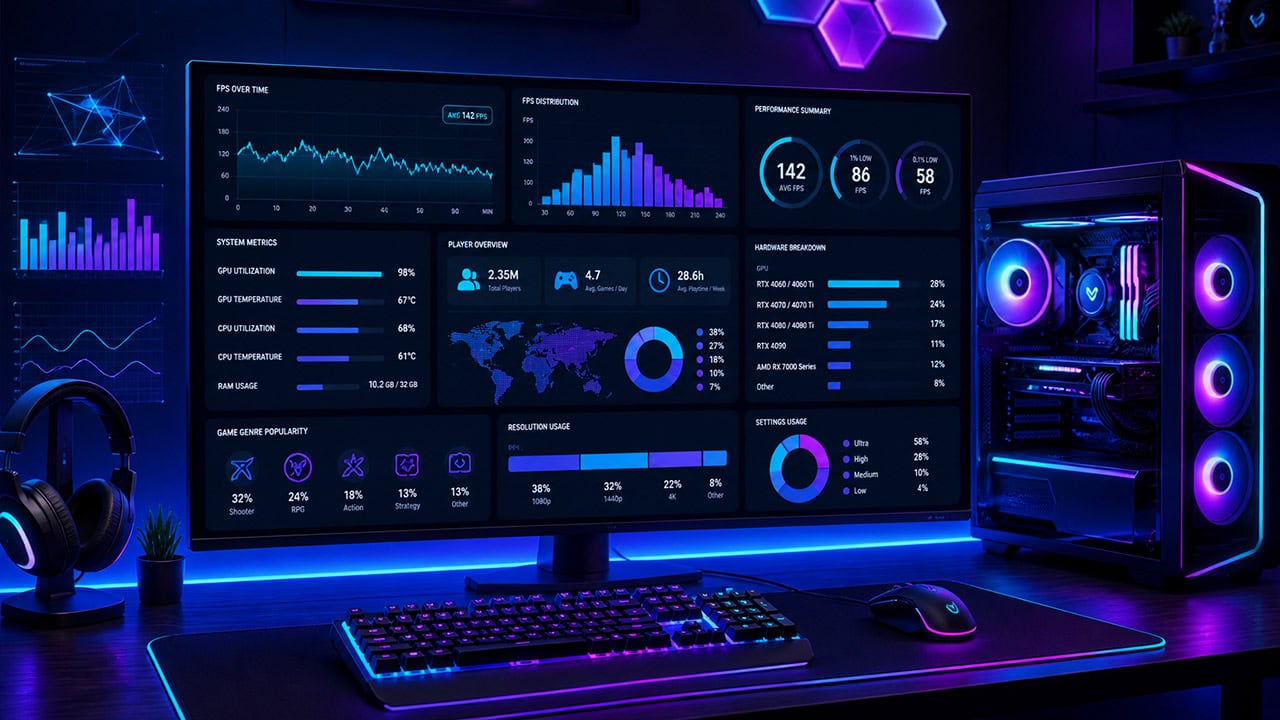
50+ PC Gaming Statistics (2025)
Player counts, GPU and CPU market share, popular resolutions, and gaming PC build costs with sources.
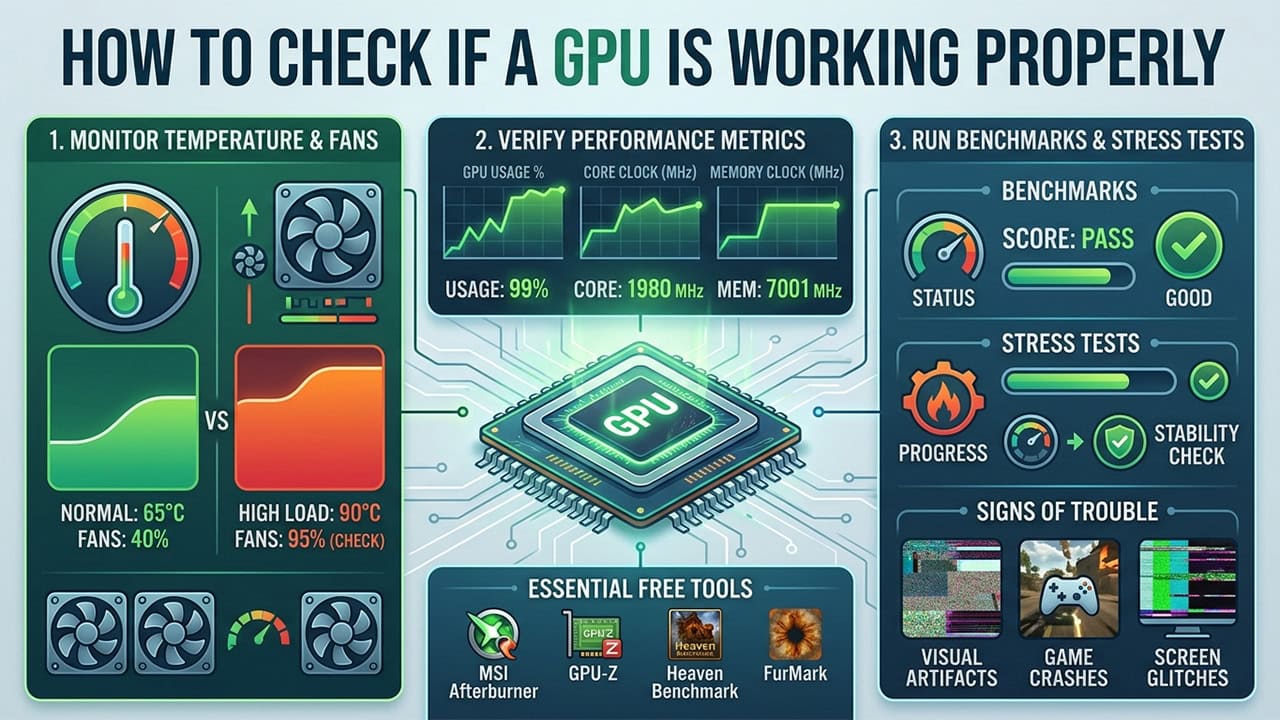
How to Check If a GPU Is Working Properly
Test a graphics card with Task Manager and MSI Afterburner — useful before buying a used or resold card.
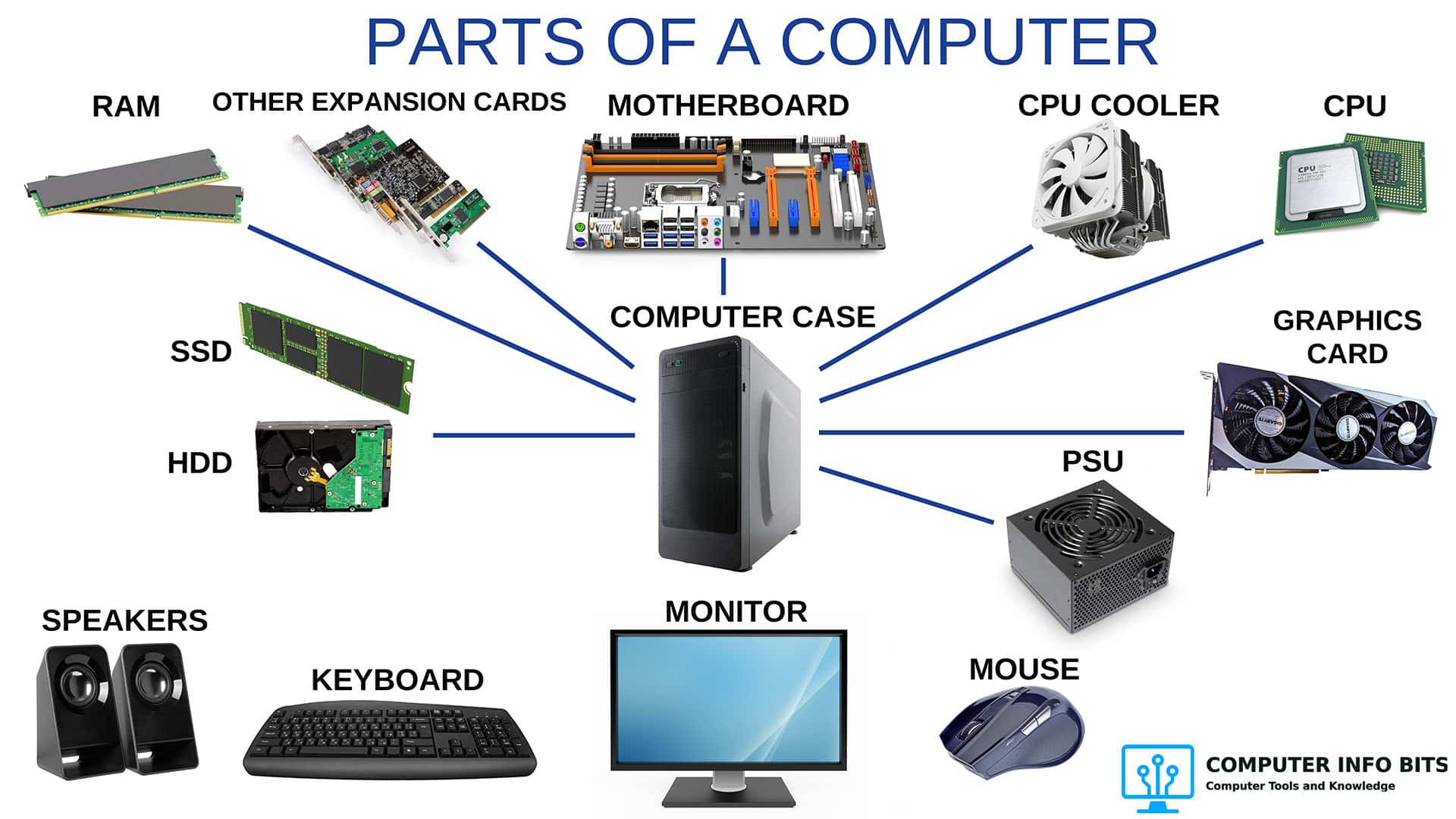
Parts of a Computer and Their Functions
A complete breakdown of every major PC component including the GPU, CPU, and RAM.

Why Do Computers Slow Down With Age?
The real causes of an aging PC slowing down, and the fixes that bring it back without a new computer.